A thought partner for schools doing serious literacy work.
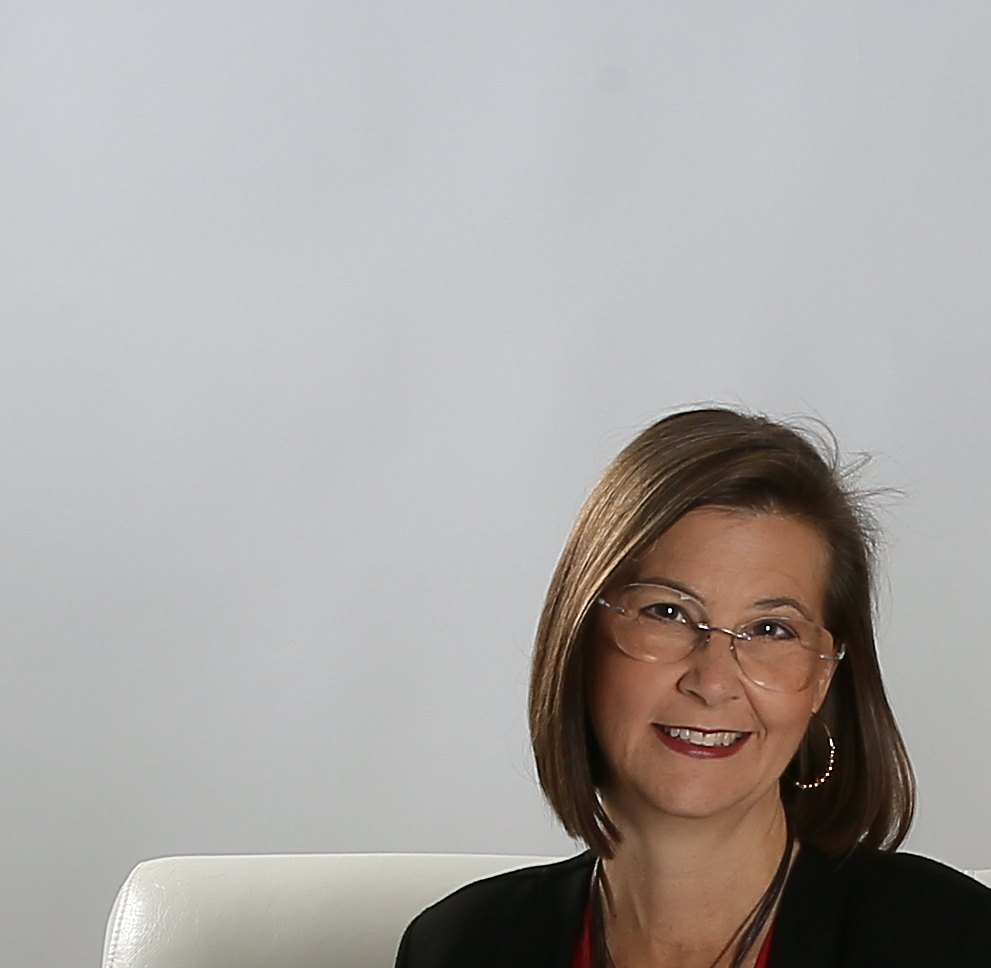
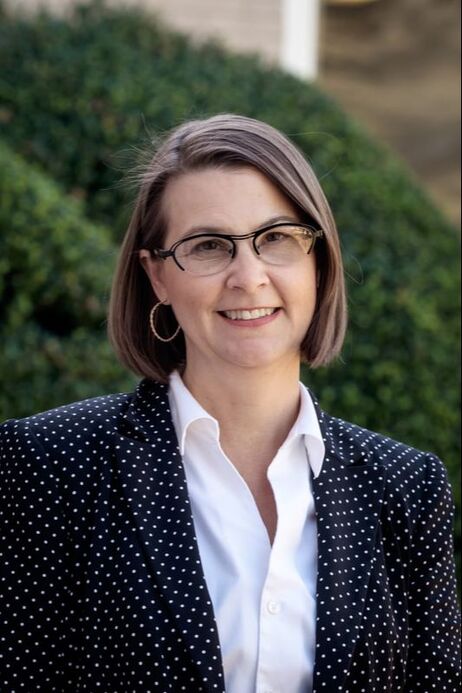
Jan Burkins is an international literacy consultant, author, and speaker who works alongside schools around the world to support thoughtful, research-informed literacy instruction. Over her career she has served as a classroom teacher, literacy coach, district literacy leader, and regional consultant for the state of Georgia.
She earned her doctorate at the University of Kansas, where her dissertation — a meta-analysis of the research on phonemic awareness — was named the School of Education's Dissertation of the Year and a national finalist for the International Literacy Association's outstanding dissertation award.
Jan is the author and co-author of ten-plus books for educators, including the landmark Shifting the Balance series with Kari Yates and Katie Egan Cunningham — widely recognized for helping educators bridge reading research and classroom practice.
From keynotes and conference sessions to literacy audits and ongoing partnerships, Jan is known for asking thoughtful questions that help educators see instructional systems more clearly — naming the gaps, overlaps, and tensions within a literacy curriculum while deeply honoring the professionals doing the work.

Jan's particular gift is helping schools take on their own confirmation bias — naming the gaps, overlaps, and tensions inside a literacy system that are almost impossible to see from within it.
Most engagements combine several of these, sequenced to match where your literacy work is now and where you want it to go. Every engagement is shaped in conversation — never a fixed package dropped onto your school. Offered in person or virtually, unless marked * in person only.
Systems-level analysis through classroom visits and leadership conversations. Schools walk away with a clear picture of strengths, gaps, and an actionable roadmap.
Half-day, full-day, or multi-day professional learning rooted in current reading research. Also available as conference keynotes for districts or events.
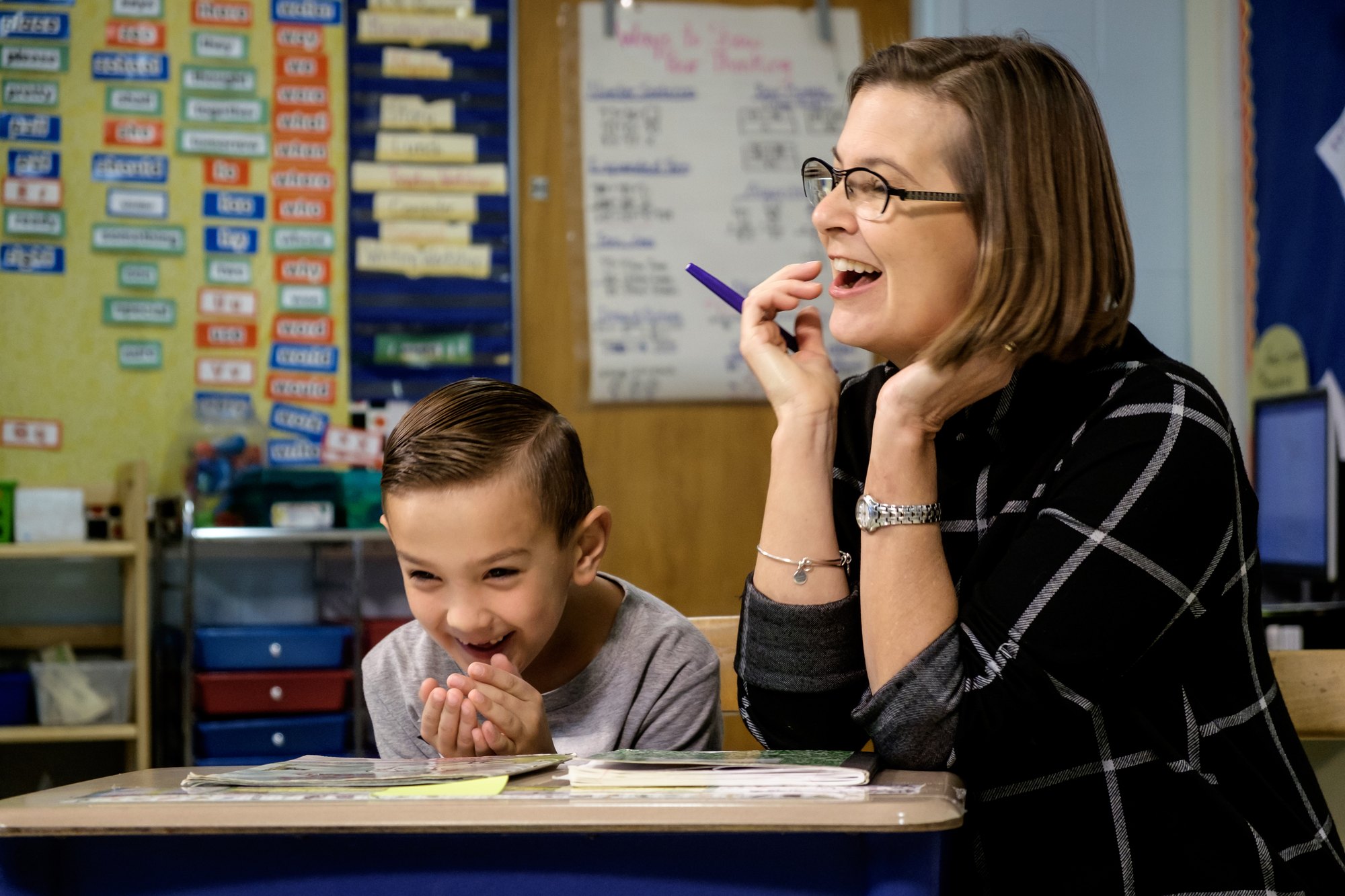
Live teaching with real students, paired with a structured debrief. Helps teachers see new strategies in action and translate them into their own classrooms.
Job-embedded coaching cycles built on observation, reflection, and collaborative planning — the piece that turns PD that informs into PD that actually changes practice.
Strategic support for administrators, coaches, and literacy leaders navigating curriculum decisions, intervention alignment, and implementation planning.
Deep, ongoing partnerships for schools committed to lasting change — combining audits, coaching, and professional learning into a coherent, sustainable arc over two to three years.
From 90-minute virtual workshops to multi-day learning events — and everything in between. Each may be varied to fit your timeframe, your team, and the context you're working in.
As the science of reading has sharpened our focus on decoding, a pressing question returns: where does comprehension actually come from, and how do we teach it on purpose? Moving past traditional ways of teaching and measuring it, the session explores how readers build and revise mental models as they read — centering inferencing, knowledge- and vocabulary-building, language comprehension, attention, and discussion-based instruction.
A synthesis of the most essential ideas from the Shifting the Balance books, across K–5. The session moves through language comprehension, automatic word recognition, vocabulary and knowledge development, attention and memory, and the instructional coherence that ties them together. Throughout, the emphasis stays practical — what each foundation looks like in daily instruction, and why attending to all five together, rather than any one in isolation, is what actually moves readers forward.
What actually goes in the literacy block — and when. Practical models for budgeting minutes across foundational skills, knowledge-building, and authentic reading and writing, protecting time for small-group instruction, and keeping the day's parts connected rather than fractured into isolated routines. Participants leave with concrete starting points for auditing and reshaping their own schedule — whether they're protecting a single 90-minute block or rethinking the whole instructional day.
How to evaluate and select decodable texts that match a student's developing orthographic knowledge while still supporting comprehension, vocabulary, and engagement. Participants practice reading texts closely and listening to readers — hearing what they process automatically, and where support is needed. The goal is a clear, usable set of criteria, so that choosing a text becomes a deliberate instructional decision rather than a guess about what might work.
Explores the reciprocal relationship among vocabulary, background knowledge, language comprehension, reading, writing, and discussion. Participants examine how connected texts and content-rich conversation help students build the semantic networks that deep comprehension requires. Together we look at practical ways to weave knowledge-building through read-alouds, text sets, and classroom talk — so that comprehension grows out of what students actually know, not strategies practiced in isolation.
How students move from slow, effortful decoding toward automatic, flexible word recognition. Through student reading behaviors and spelling approximations, participants develop a clearer picture of how words become “known” in the brain — and how instruction speeds that journey. The session connects this directly to practice, showing how phonics, spelling, and meaningful reading reinforce one another to make word recognition increasingly effortless over time.
Fluency is too often reduced to speed — and too often skipped. This session reclaims it as the bridge between accurate word reading and comprehension: automaticity, appropriate rate, and the prosody that signals a reader is making meaning. Leveraging fluency well turns out to be more nuanced than the timed, words-per-minute routines many programs default to — it asks us to listen for phrasing, expression, and understanding, not just speed. Participants leave with ways to build and assess fluency that reflect that fuller, more meaningful picture.
Examines the patterns common to upper-elementary striving readers — fragile word recognition, limited language comprehension, weak semantic networks, cognitive overload. Offers practical ways to integrate foundational skills with authentic reading, writing, and meaning-making so intervention becomes coherent and sustainable. Participants leave with a clearer way of looking at older readers — one that points toward specific next instructional moves rather than settling for labels.
Customized learning designed around the unique strengths, goals, challenges, and instructional realities of your school or district. Sessions are built collaboratively to support coherence, sustainability, and meaningful growth over time — an ideal way to follow a literacy audit with professional development that truly aligns with what your school needs next.
Real responses from real teachers and literacy leaders.
“What sets Jan apart is that she listens first. She doesn't arrive with a script — she arrives with curiosity and leaves us with clarity.”
Kathy Jones-Stork
K–12 ELA & Social Studies Coordinator, Lexington District 2, SC
“The professional development was an incredible learning experience for ALL staff. Everyone walked away inspired and with next steps.”
Heidi Goodwin
Literacy Coach, Skowhegan, Maine
“Grounded in research, delivered with heart, and full of practical wisdom. This experience helped us sharpen our focus and commit to meaningful change.”
Karen Spillman
Director of Learning, Hilton Central School District, NY
“Jan's insight and keen eye for nuance helped us have meaningful, honest dialogue. Her forthright way was exactly what we wanted.”
Peggy Laurent
Head of Lower School, Town School for Boys, San Francisco, CA
Tell Jan what you're seeing in your classrooms and what you're hoping to build. Every engagement starts here.
hello@drjanburkins.com · DrJanBurkins.com